 Ελληνικά
 English
Early death & SUDEP
People who continue to have seizures are at greater risk of a number of complications, which is why preventing seizures and other problems is so important. The most serious complications are injuries and dying from seizures. Early death and SUDEP may occur in people living with seizures. This section gives frank information about one of the more common causes of dying from seizures called “Sudden Unexpected Death in Epilepsy,” which is abbreviated SUDEP.
What Is SUDEP?
SUDEP is the sudden, unexpected death of someone with epilepsy, who was otherwise healthy. In SUDEP cases, no other cause of death is found when an autopsy is done. Each year, more than 1 in 1,000 people with epilepsy die from SUDEP. This is the leading cause of death in people with uncontrolled seizures.
The person with epilepsy is often found dead in bed and doesn't appear to have had a convulsive seizure. Over one-third of the time, there is a witnessed seizure or signs of a recent seizure close to the time of death. They are often found lying face down. No one is sure about the cause of death in SUDEP and it may differ between cases. Some researchers think that a seizure causes an irregular heart rhythm. Other research has shown that breathing difficulties following a seizure lead to death.
What Causes SUDEP?
No one knows what causes SUDEP, but many areas are being looked at. SUDEP occurs most often at night or during sleep when the death is not witnessed, leaving many questions unanswered. There may be evidence that a person had a seizure before dying, but this isn’t always the case.
Current research into the possible causes of SUDEP focuses on problems with breathing, heart rhythm and brain function that occur with a seizure.
- Breathing: A seizure typically may cause a person to briefly stop breathing (apnea). If these breathing pauses last too long, they can reduce the amount of oxygen that gets to the heart and the brain. A lack of oxygen can be life threatening if not treated immediately. Also, a person’s airway may sometimes get blocked blocked during a convulsive seizure, leading to suffocation (inability to breathe).
- Heart Rhythm: Rarely, a seizure may cause a dangerous heart rhythm or cardiac arrest.
- Brain Function Seizures may suppress or interfere with the function of vital areas in the brainstem. These areas are responsible for breathing and heart rate as well as other important body functions. As a result, changes in brain function could cause dangerous breathing and heart rate changes.
- Others: SUDEP may result from more than one cause, or from a combination of breathing difficulty, abnormal heart
rhythm and changes in brain function. Or, it may result from factors researchers have yet to discover.
Can SUDEP Be Prevented?
Until further answers are available, the best way to prevent SUDEP is to lower your risk by controlling seizures. Research has found that people with all types of epilepsy that experience convulsive seizures can be at risk.
For most people living with epilepsy today, the disease can be controlled with available therapies and good seizure-management practices. For example, avoiding seizure triggers and working with and epilepsy specialist. And for people with the most severe types of difficult to control epilepsy, there are steps an individual can take to lower one’s risk, including:
- Epilepsy surgery
- Neurostimulation devices
- Dietary therapies
- Participating in research to find new, more effective therapies.
Reducing the Risk of SUDEP
The best way to prevent SUDEP is to have as few seizures as possible.
Get the best seizure control possible. This may involve actions such as:
- Taking medication regularly and at the right dose.
- Visiting your health care team regularly, especially if seizures are not controlled.
- If medicines do not work, consider other treatment options such as epilepsy surgery, devices, or dietary therapy.
Take good care of yourself or your loved one. Eat well, get enough rest and regular exercise, avoid drinking too much alcohol or using recreational drugs, and minimize stress when possible.
Be aware of and avoid any potential seizure triggers whenever possible. Keep a record of things that occurred before a seizure (such as illness, tiredness, stress, missing medications, and where and when the seizure occurred).
Talk to your doctor about having your heart checked (cardiac evaluation) to rule out any heart problems. This is especially important if the diagnosis of epilepsy is not certain or the seizures are not controlled.
Be seizure safe. Make sure family and co-workers know what to do for seizure first-aid, take extra precautions around water, including swimming and bathing.
Spotlight: Ketogenic Diet And SUDEP
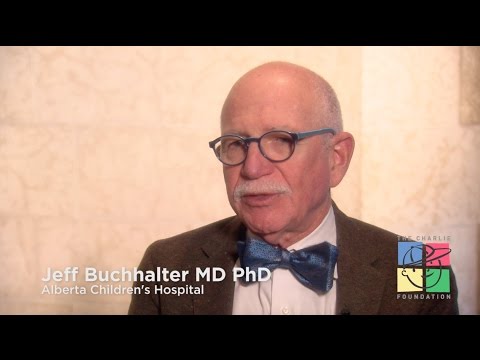
Jeff Buchhalter, MD, PhD, talks about the ketogenic diet as a treatment for seizures and how its use might reduce the risk for SUDEP.
Understanding Epilepsy
What Is Epilepsy?
Understanding SeizuresSeizure TriggersTypes of SeizuresEpilepsy SyndromesFacts About Seizures and EpilepsyRare Epilepsy Network (REN)Causes Of Epilepsy
Structural Causes of EpilepsyGenetic Causes of EpilepsyMetabolic Causes of EpilepsyAutoimmune EpilepsySpecific Infections Associated with EpilepsyDiagnosis
Evaluation of Medical HistoryNeurological ExamElectroencephalography (EEG) for EpilepsyBrain Imaging for EpilepsyDiagnosing Imitators of EpilepsyAssembling Your Healthcare Team